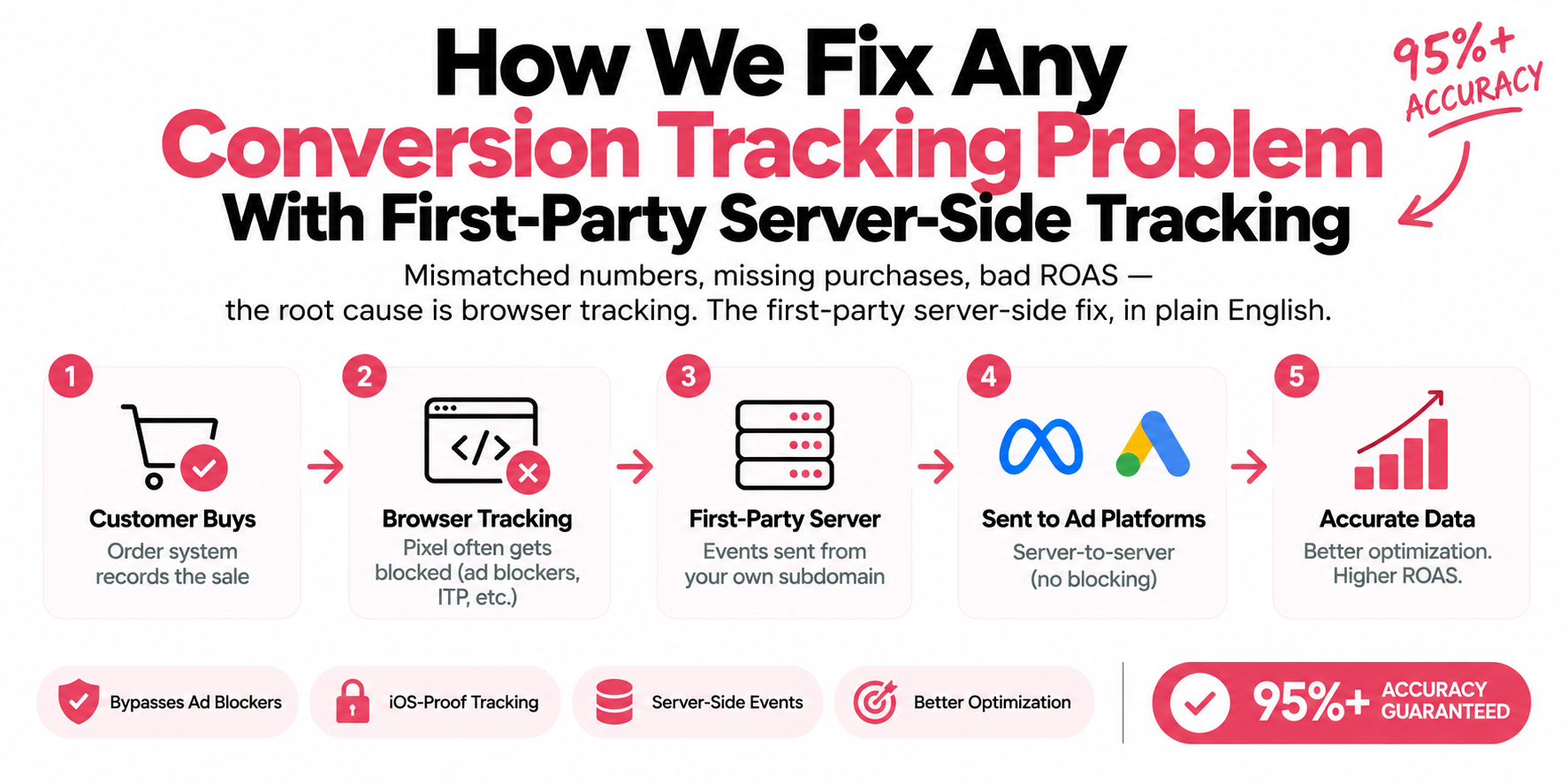
Server-side tracking is often treated like a technical upgrade, but most businesses buy it for a much simpler reason: they want to trust the numbers again. When browser-side tracking is fragile, attribution windows shrink, match quality drops, and ad platforms optimize against incomplete data.
This article shows what matters most when you review a server-side setup. It also gives you a better sample structure for this new blog layout, so the page feels more like a professional editorial article instead of a placeholder post.
Why server-side tracking matters
When all measurement depends on the browser, data quality becomes vulnerable to ad blockers, privacy restrictions, consent timing, and unstable client-side scripts. That does not mean browser-side tracking is useless. It means it should not be the only collection path for your most valuable events.
A better setup creates a stronger first-party signal path. That usually improves data continuity between the website, analytics tools, and paid media platforms. It also gives the business a cleaner reporting story when numbers from multiple systems need to be explained.
What businesses usually notice first
The first business symptom is usually not technical. It is commercial. Campaigns start looking inconsistent. Platform-reported conversions no longer line up cleanly with analytics. Teams lose confidence, which slows down decisions and creates more debate around performance than there should be.
The four areas we check first
When we audit conversion tracking, we focus on four practical areas before anything else.
- Collection path: whether browser-only tracking is still doing all the work.
- Consent logic: whether tags respect user choice and whether Google Consent Mode is implemented correctly where needed.
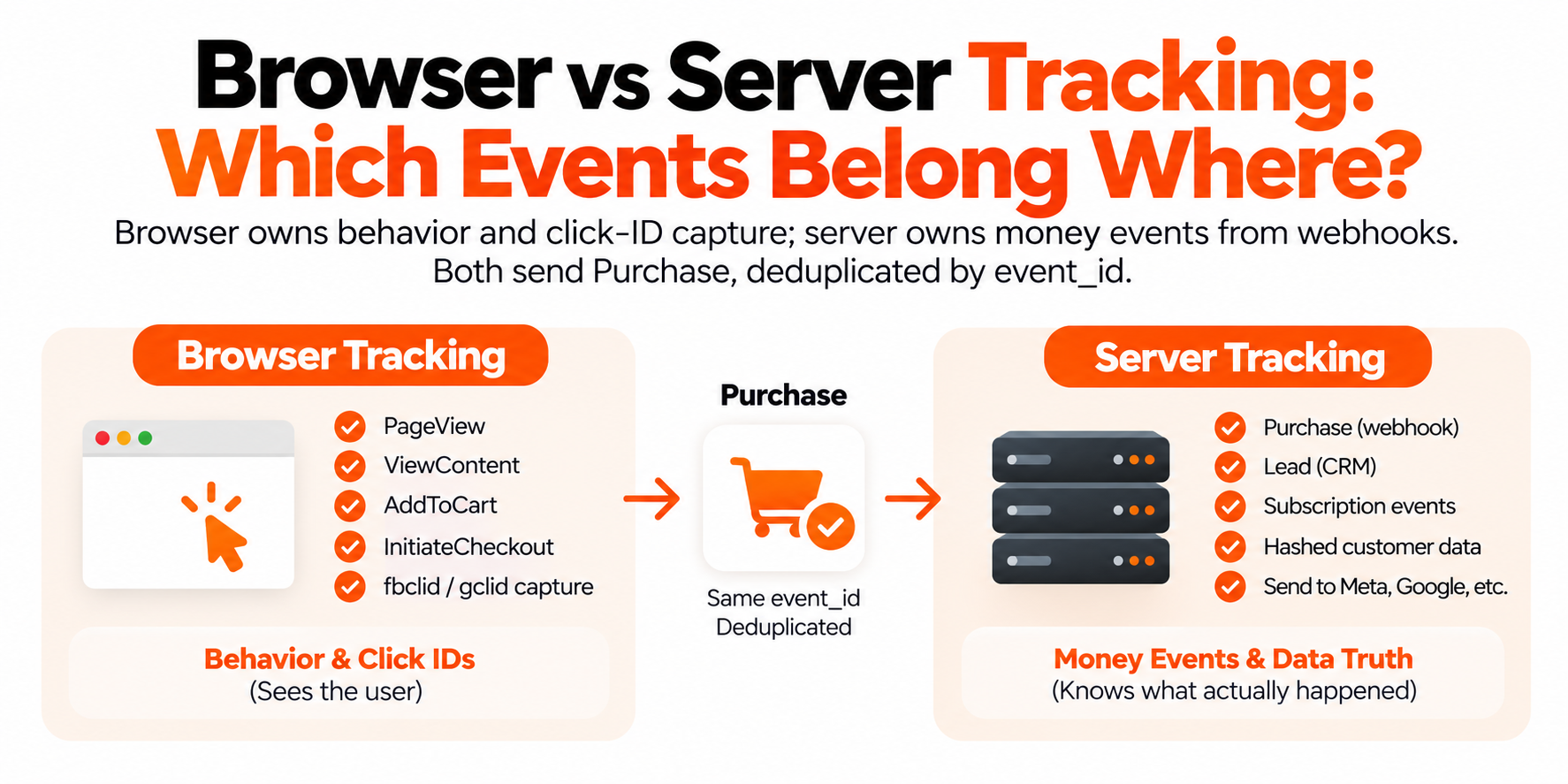
- Event architecture: whether the important business events are actually visible and named in a useful way.
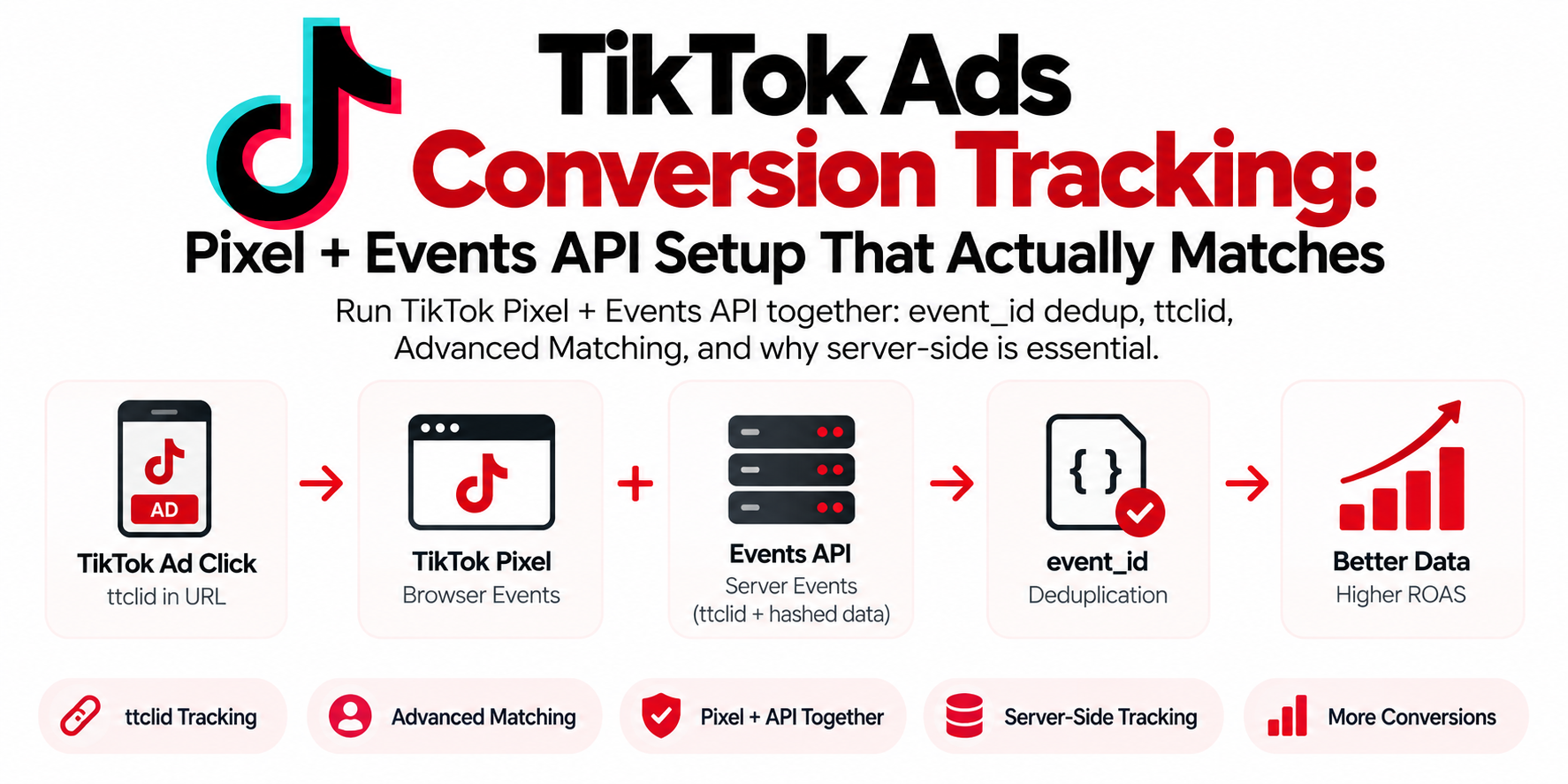
- Validation: whether the team has verified browser and server events after implementation.
Collection path
We look for same-site endpoints, server-side GTM patterns, first-party cookie durability, and signs that marketing identifiers are more resilient than a basic browser-only deployment.
Consent logic
Consent is not only about compliance language. It directly affects what can be measured, modeled, and used for optimization. If the consent layer is weak, the reporting layer becomes weak with it.
Event architecture
Many sites have tags installed, but not enough event depth. That means the tools are visible, but the real business actions are still too thin for useful optimization.
Validation
A setup is not finished when the tags exist. It is finished when test conversions, platform diagnostics, deduplication behavior, and consent states have all been checked end to end.
What a better implementation looks like
A stronger setup usually combines browser and server collection, a clear event naming structure, durable first-party identifiers where appropriate, and a practical QA workflow after release. It also keeps the explanation simple for clients: what changed, what improved, and what still needs verification.
Better tracking is not only about collecting more data. It is about making the data easier to trust, easier to explain, and more useful for growth decisions.
How we usually help clients
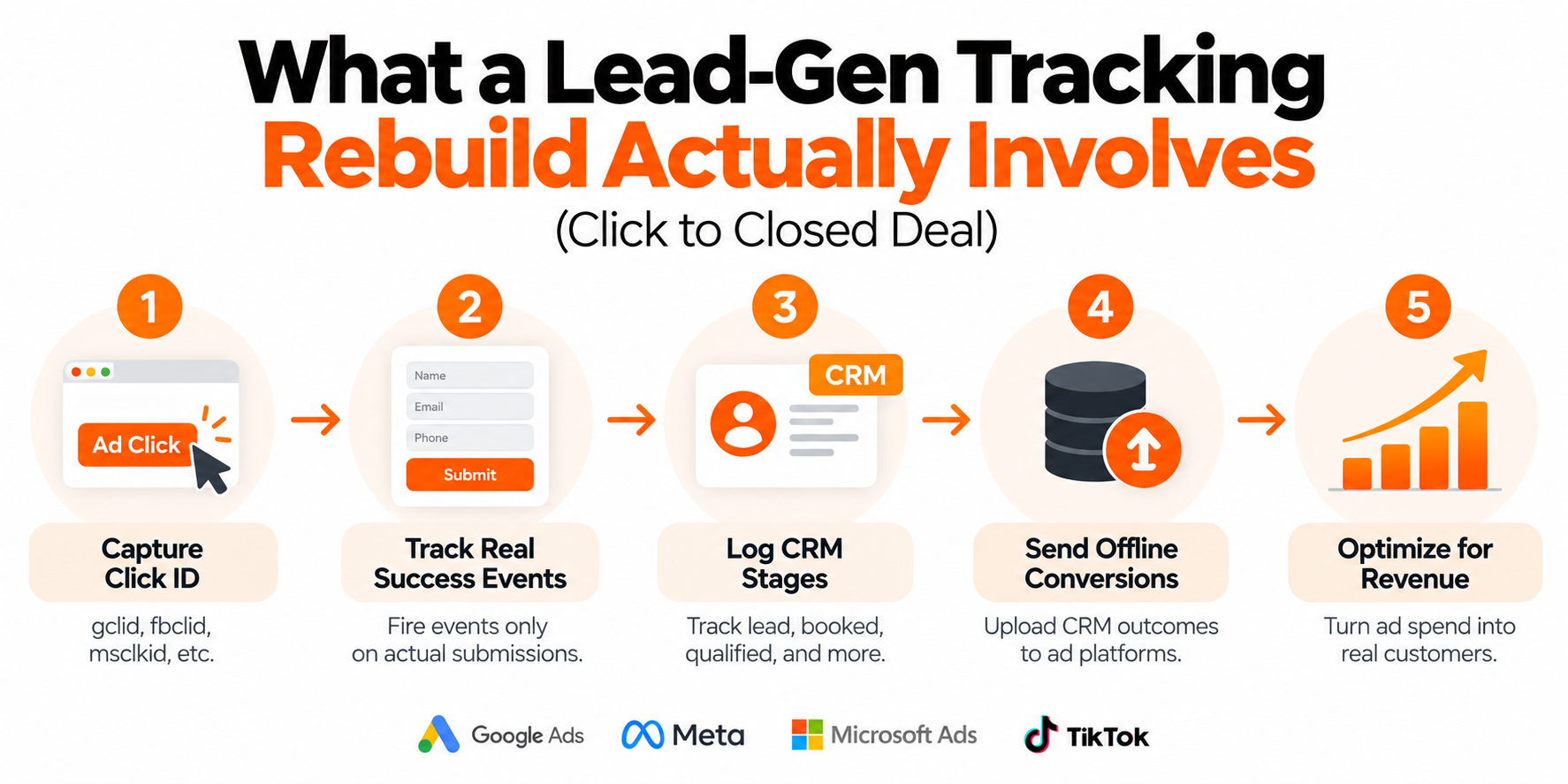
Most clients do not need a giant analytics rebuild. They need a focused implementation sprint with clear priorities. That means fixing the highest-risk gaps first, validating the conversion path, and documenting the outcome in a way the client can understand.
If you want this blog to feel more premium, this article structure is also a good example of the kind of formatting the editor should support: headings, subheadings, bullet lists, callout quotes, and clear sections that automatically feed the right-side table of contents.
Final takeaway
If the current tracking setup feels hard to trust, the answer is usually not another dashboard. It is a stronger implementation. Server-side tracking, consent repair, better event structure, and proper validation give the business a cleaner measurement foundation to scale from.